The Lost Childhood of Kashmiri Children
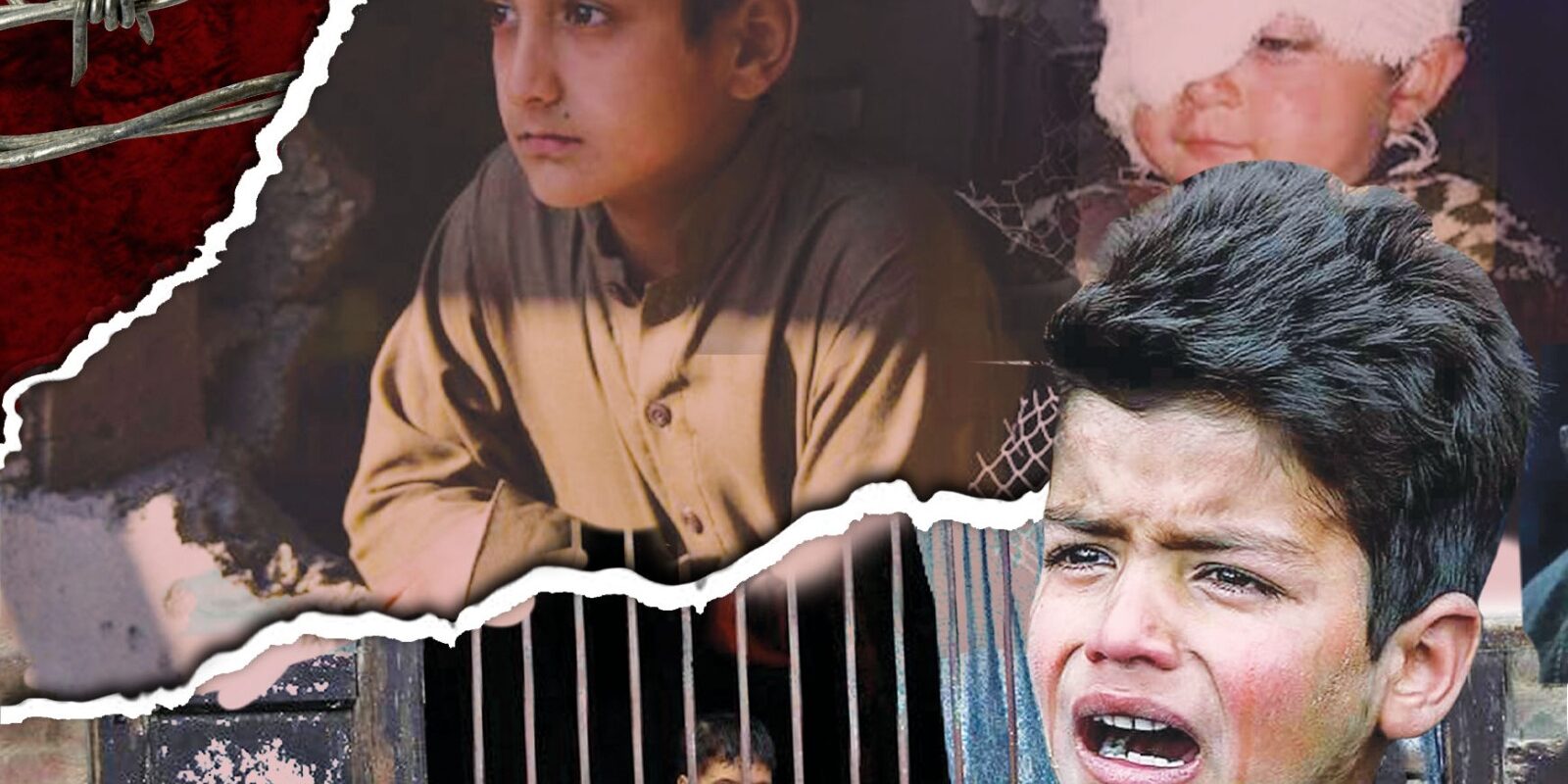
Little kids should laugh, explore, and learn new things. Safety wraps around them like a blanket, at least that is how it ought to be. School days mix with games under open skies, joy tucked into every small thing they do. Yet fear hums quietly in places like Indian Illegally Occupied Jammu and Kashmir, where war never seems to pause. Dreams still form there, though shadows stretch longer than usual. Life stays shaky, rules pile up, tension lingers – each day feels heavy for them, far from what a childhood should be. Carefree moments slip away as emotional strain settles in early, shaping how they grow, learn, and see themselves.
When life keeps shifting underfoot, schooling slips away. Because of repeated lockdowns and unsettled days, classrooms have become unreachable for many young ones. A steady path forward gets broken – learning slows without warning. When lessons stop, and schedules vanish, catching up feels out of reach. Minds struggle to settle on books if every day brings unknowns. Stability fades, so attention drifts. One moment you’re drawing superheroes, next you’re noticing how quiet the house has been lately. Life nudges some kids into grown-up thoughts before their shoes stop fitting. While others lose themselves in playground races, these children catch whispers of rent and arguments. Cartoons still play on screen, yet eyes stay fixed elsewhere. The weight isn’t loud, just constant – like a backpack filled with things never meant for small shoulders.
Worry often sticks close to kids raised where nothing feels steady. Tension in the air? That’s when small hearts start racing about what might happen – to them, to those they care about. Over time, that pressure wears down how sure they feel inside. Words get heavy on the tongue for a frightened child, dreams harder to reach. A child’s sense of safety matters deeply for how they grow. When things feel shaky, worry often follows, clouding their thoughts. Slowly, that unease becomes part of who they are – more alert to danger, slower to trust. Peace at home tends to bring calm minds, while chaos teaches caution early.
Running around outside shapes young lives by keeping bodies moving while teaching how to get along with others. Games show kids how to work together, talk clearly, and leave space for different ideas. Still, fear about harm or rules being too tight means fewer open spots where children can safely explore outdoors across Kashmir. Grown-ups tend to keep little ones inside homes when the streets feel uncertain. Fewer shared moments mean less chance to grow through laughter, arguments, and quiet times between peers. Missing these everyday exchanges slows down the way confidence and character form. Folks hanging out together, joining team events, or playing outside help kids grow feelings-wise. Left out of those moments, young ones might sense loneliness, struggling later to talk well with others.
Unpredictable childhood settings often leave strong marks on a child’s feelings. When surroundings feel shaky, emotions like tension, low mood, or bewilderment might show up. Life feels harder when routines lack consistency, making it tough to make sense of things. Kids sometimes notice how their days differ from those of their peers in calmer homes. Feelings weighing heavily early on tend to shape inner strength and daily balance later. Wobbling through each day, kids struggle to picture what they want when doubt sticks around too long. Peace at home? That’s where fresh ideas grow, bold choices appear, and tomorrow starts feeling real.
When things fall apart, kids feel it first. School stops when roads close or skies fill with smoke. Fear sticks around long after loud noises fade. Play spaces vanish under tension, replaced by silence where laughter used to be. Growing up here means carrying a weight no young person should hold. Safety shapes how minds open – or stay shut. Learning thrives only where calm exists. Without peace nearby, trust struggles to take root. Stronger tomorrows begin with protection today. Minds shaped gently tend to heal more than harm later on.
About the Author: Hiba Fatima is a Research Intern at YFK and the author of this report.
References:
Kadir, A., Shenoda, S., & Goldhagen, J. (2019). Effects of armed conflict on child health and development: A systematic review. PLOS ONE, 14(1), e0210071. https://doi.org/10.1371/journal.pone.0210071
Pritchard, E., & Choonara, I. (2017). Armed conflict and child mental health. BMJ Paediatrics Open, 1(1), e000087. https://doi.org/10.1136/bmjpo-2017-000087
Ilyas, M. (2024). The impact of armed conflict on education and children in Jammu and Kashmir: implications for peace education. Journal of Peace Education, 1–21. https://doi.org/10.1080/17400201.2024.2433783
Frounfelker, R. L., Islam, N., Falcone, J., Farrar, J., Ra, C., Antonaccio, C. M., Enelamah, N., & Betancourt, T. S. (2019, August). Living through war: Mental health of children and youth in conflict-affected areas. International Review of the Red Cross. https://international-review.icrc.org/articles/living-through-war-mental-health-children-and-youth-conflict-affected-areas
Benque, L. (2019, October 6). Kashmir Conflict: What is happening with the children? – Humanium. Humanium. https://www.humanium.org/en/kashmir-conflict-what-is-happening-with-children/

- The Abrogation of Article 370 and the Right to Self-Determination Under InternationalLaw: A Critical Legal and Political Analysis. - September 22, 2026
- Civil Liberties in Kashmir - September 21, 2026
- Journalism Under Siege: The Erosion of Press Freedom in IIOJK - September 17, 2026