
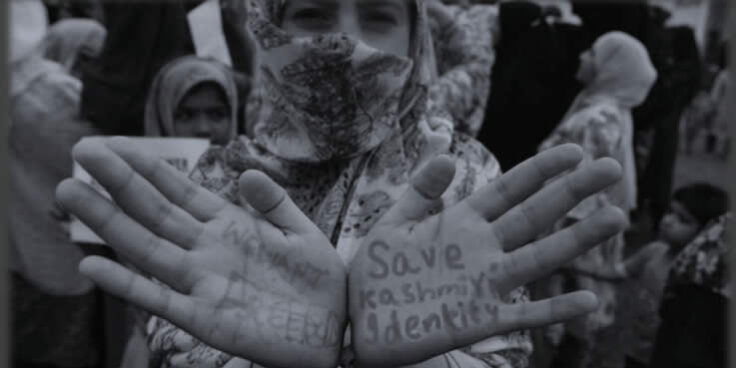
Pakistan’s commitment to the Kashmiri right of self-determination
In the presence of the current world order, illegal occupations are meant to be met by excessive diplomatic pressure and international backlash leading to the immediate withdrawal of the action. However, the reality is far different. Quite evident in the case of Pakistani stance on Kashmir which is trying to have a peaceful resolution of Kashmir under the banner of UN and international, refraining from every kind of unilateral actions and limiting itself to the non-violent protest through celebration of nation-wide holiday and public rallies as in the case of 5th February.
State backed annual observance are noticed on this day combining human chains, solidarity calls, prayers and media programming demanding for the international support of Kashmiri right of self-determination and freedom to live as enshrined in numerous UNSC resolutions. The day memorialize the historical claim of Pakistan over Kashmir settling it as an unfinished agenda since 1945 supporting the right of referendum of people of IIOJK. Since its formal adoption in 2004, this day being marked on the calendar portraying Kashmir as Pakistan ‘Jugular Vein’ and a symbol of national unity and identity; honoring hundreds of Kashmiris who have lost their lives in resisting the inhumane actions of Indian government.
Apart from symbolic functions, this day serves several strategic purposes by domestically reinforcing patriotism, legitimizing Pakistani stance; at the very same time internationally seeking to keep the Kashmir issue on UN agenda. This highlights the demands of Pakistan about IIOJK for the implementation of a free and impartial plebiscite, and condemn “Indian brutality” and human rights violation in the region.
Kashmiri struggle amplifies this day to be a global awareness movement, successfully mobilizing and potentially strengthening diplomatic leverage; alleviating the hardships caused by what Pakistan internationally terms as “illegal occupation”. When linked with India’s response and attitude, the direct pressure Pakistan implies on them is quite limited, nevertheless the indirect impacts it applies by attracting international community, drawing human rights watch attention and earning support of other states cannot be ignored. To balance it out, the pressure is met by false flag operations, false allegations of cross border terrorism, complete internet shutdowns, open fire on peaceful movements and targeted killing and kidnapping of the Kashmiri locals.
With very limited practical impact, this date annually provides a signal that Pakistan stands with the princely state of Kashmir that was “naturally qualified for accession to Pakistan” but was denied in 1947 due to “political manipulation”. The celebration in the form of formation of human chains at bridges connecting Pakistan and Kashmir signifies the common identity being shared by these people. It is a challenge to the Indian claim of having rights to bring demographic changes to the region and calling it as a unilateral integral part of India; by reminding them that the hearts of Kashmiri’s belong to Pakistan and it will never let them down.
Whatever it takes, Pakistan will always strive for the peaceful resolution of Kashmir.
- Journalism Under Siege: The Erosion of Press Freedom in IIOJK - September 17, 2026
- Bo Vegas bonuses and promotions - September 10, 2026
- Comprehending the Appeal of Wow Las Vega Gambling Establishment Online - September 8, 2026